Guides
DTG Versus Screen Printing: Which Is Better for Graphic Apparel?
Sep 1, 2026 · 6 min read · Written by Otaku Bestie
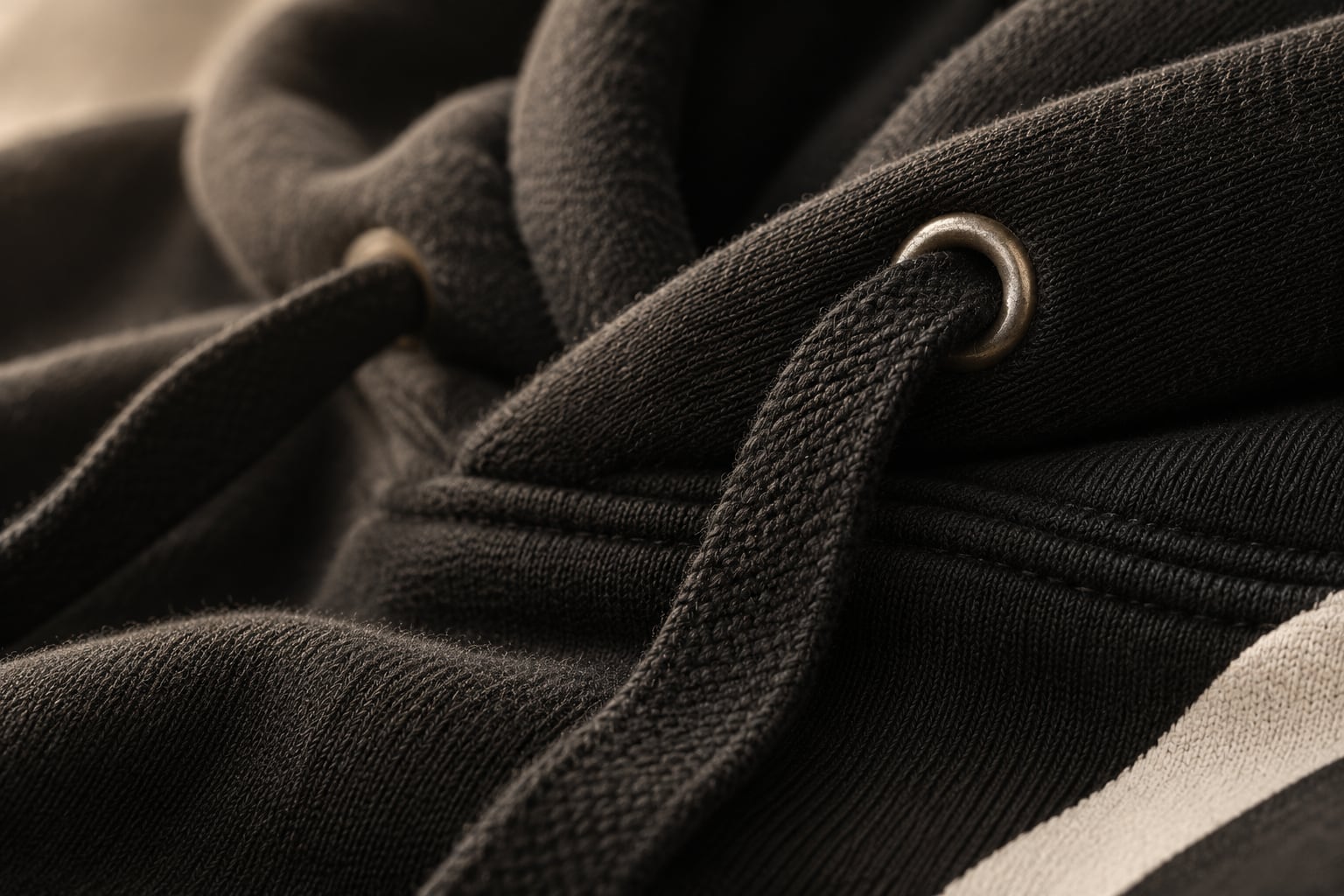
Quick answer: DTG printing is usually better for detailed artwork, gradients, many colors, and garments produced one at a time. Screen printing is usually better for bold graphics, limited color palettes, and larger production runs. Either method can produce excellent apparel; the better choice depends on the artwork, garment, ink system, curing, and intended quantity.
A graphic shirt can look simple from across the room while carrying a surprising amount of production logic. The smooth fade behind a character, the tiny linework in an emblem, and the way the color sits on black fabric all influence how a printer approaches the job.
For shoppers, understanding that process helps explain why two prints can feel different without one automatically being defective. For independent brands, it explains how detailed artwork can be offered across many sizes and colors without printing a warehouse full of every variation.
What is direct-to-garment printing?
Direct-to-garment printing, usually shortened to DTG, uses specialized inkjet equipment to apply ink directly to a garment. Dark garments generally receive pretreatment and a white underbase before the color layers. The design is then cured so the ink bonds with the fabric.
Because DTG starts with a digital file instead of a separate physical screen for each color, it handles detailed illustrations, gradients, fine lines, and broad color ranges efficiently. It also supports on-demand production because one design can be printed without setting up a full batch. Read Printful's explanation of DTG production for a closer look at the process.
What is screen printing?
Screen printing pushes ink through a mesh stencil onto the garment. Each color normally requires its own screen and pass. Preparing those screens takes time, but once the setup is complete, a printer can reproduce a simple design efficiently across a large run.
The ink layer is often more noticeable to the touch than DTG. That tactile finish is part of the appeal for bold logos, typography, uniforms, and limited-palette graphics. Different inks and techniques can change the softness, opacity, and finish, so “screen printed” does not describe one identical result.
How do DTG and screen printing compare?
| Question | DTG | Screen printing |
|---|---|---|
| Best artwork match | Detailed, multicolor, photographic, or gradient-heavy art | Bold shapes, typography, and limited color palettes |
| Setup | Digital file with garment preparation | A separate screen is commonly prepared for each color |
| Efficient quantity | Single items and small or changing runs | Repeated designs in larger runs |
| Typical feel | Softer and more integrated on suitable cotton-rich fabric | Often thicker and more tactile |
| Color complexity | Many colors without separate physical screens | Added colors increase setup |
| Fabric flexibility | Often strongest on cotton and cotton-rich garments | Can be adapted to a wider range of fabrics with the correct ink |
Printful's current DTG and screen-printing comparison reaches the same practical distinction: DTG favors detail and flexible quantities, while screen printing becomes efficient for repeat production.
Which printing method lasts longer?
Screen printing often has the durability advantage when a compatible ink is applied and cured correctly, particularly for a bold design with a substantial ink layer. A well-produced DTG print can still remain attractive through repeated wear and washing. Method alone cannot guarantee longevity.
Fabric, pretreatment, ink, curing, abrasion, detergent, water temperature, and dryer heat all affect the result. A poor screen print can crack early, while a properly produced and carefully washed DTG shirt can age gradually with the garment. Use our printed graphic tee care guide to reduce avoidable stress on either print.
Why can a new DTG print feel slightly different?
A newly produced dark garment may retain a temporary feel or scent from pretreatment and curing. This does not automatically indicate a bad print. Follow the garment's care label before judging the final hand feel, and do not scrub or iron the artwork to hurry the process.
Color can also interact with the shirt beneath it. Heathered fibers, cotton-polyester blends, and dark garments may produce a different surface appearance from a bright print on a smooth white cotton tee. Product images, fiber content, and care details should be evaluated together.
Is DTG better for anime and K-pop artwork?
DTG is a strong match when fan-inspired artwork uses shading, many colors, distressed texture, or small illustrative details. Screen printing can be the stronger creative choice when a design relies on a few solid colors, strong type, or a deliberate raised ink feel. The subject matter does not select the method; the composition and production plan do.
Otaku Bestie's made-to-order model lets selected artwork enter production after purchase. Learn how that timeline works in our made-to-order apparel guide. The individual product page remains the source of truth for a garment's material, care, and available decoration.
How can shoppers evaluate either kind of print?
- Read the fiber content. The surface beneath the artwork affects the print.
- Look at the artwork edges and gradients. They should suit the intended technique rather than appear accidentally muddy.
- Check placement and scale. A technically sharp print can still feel wrong if it is poorly positioned.
- Follow the care label. The Federal Trade Commission requires covered apparel to carry care instructions; its care-label guidance explains why those instructions matter.
- Judge the full garment. Collar recovery, seams, fit, and fabric matter alongside print technique. Our graphic T-shirt quality checklist covers the complete evaluation.
DTG versus screen printing FAQ
Is DTG the same as a heat-transfer print?
No. DTG jets ink directly onto a prepared garment. Transfer methods first place the design on another carrier, such as film or paper, and then transfer it to the product.
Does DTG printing crack?
Any decorated garment can show wear, but a properly produced DTG print usually fades more gradually than a thick surface layer that fractures. Production quality and care affect the outcome.
Is screen printing always higher quality?
No. Screen printing and DTG solve different production problems. Artwork preparation, materials, execution, and garment quality determine the finished result.
Which method is better for one custom shirt?
DTG is usually more practical for one detailed, full-color garment because it does not require separate screens for each color.
Browse Otaku Bestie graphic T-shirts and use the specifications on each product page when comparing individual garments.