Guides
Printed Versus Embroidered Apparel: Which Should You Choose?
Sep 13, 2026 · 6 min read · Written by Otaku Bestie
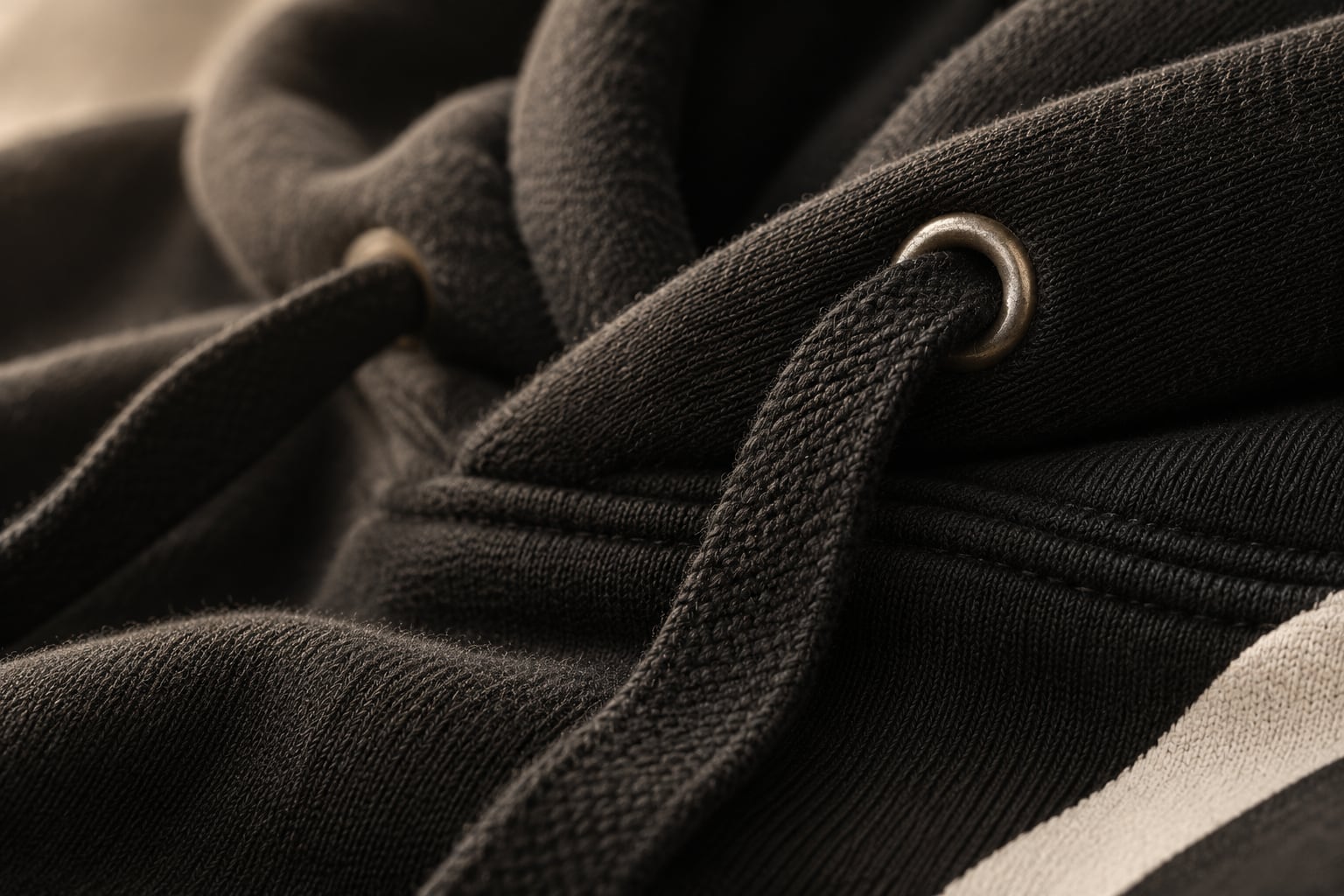
Quick answer: Printed apparel is usually better for large illustrations, gradients, fine detail, and many colors. Embroidery is usually better for compact logos, symbols, lettering, hats, and designs where texture is part of the look. Neither is universally more premium; the best choice matches the artwork, fabric, placement, comfort, and intended use.
A printed graphic can turn the front or back of a shirt into a full canvas. Embroidery does something different: the thread catches light, creates a raised surface, and makes even a small symbol feel deliberate. Choosing between them is less like picking a winner and more like deciding what the design should do.
How is printed apparel made?
“Printed” includes several decoration methods. Direct-to-garment printing applies ink directly to prepared fabric. Screen printing pushes ink through stencils. Direct-to-film uses a printed transfer, while sublimation bonds dye into compatible synthetic material. Each produces a different feel and works with different garments.
For many illustrated designs, printing preserves more small lines, gradients, and color transitions than thread can reproduce. Our DTG-versus-screen-printing guide compares two of the most common approaches in detail.
How is embroidered apparel made?
Embroidery uses thread stitched through the garment or an attached patch. A digital embroidery file translates artwork into stitch types, direction, density, sequence, and thread colors. The design may need to be simplified so small text, tight gaps, and fine lines remain readable in thread.
Stabilizer helps the fabric support the stitching. The garment itself must also handle the design's weight and density without puckering. Printful's printing and embroidery comparison explains why artwork and product choice influence the method.
What are the main differences?
| Question | Printed apparel | Embroidered apparel |
|---|---|---|
| Artwork detail | Strong for illustration, gradients, and many colors | Strong for simplified symbols, text, and bold shapes |
| Texture | Ranges from soft ink to a noticeable surface layer | Raised thread with visible dimension |
| Typical scale | Can cover a large front, back, or all-over area | Often best at compact chest, sleeve, or hat placements |
| Garment match | Tees, sweatshirts, hoodies, and compatible synthetics | Hats, structured hoodies, sweatshirts, jackets, and polos |
| Color behavior | Can reproduce broad palettes and transitions | Uses a selected thread palette |
| Interior feel | Usually little added bulk inside the garment | Stitching and backing may be felt against thin fabric |
Which lasts longer: printing or embroidery?
Embroidery often handles repeated wear well because the design consists of thread rather than a printed surface. It can still snag, abrade, distort, or loosen. A well-produced print can also last for years when the ink, garment, curing, and care align.
Durability depends on the specific method rather than the broad label alone. Dense embroidery on fabric that cannot support it may pucker. A poorly cured print may deteriorate early. Always follow the garment's care label; the FTC requires covered apparel to provide regular-care instructions, as described in its care-label guidance.
Which feels more comfortable?
A small embroidered emblem usually adds little bulk, especially on a sweatshirt, hoodie, or structured hat. A large dense design can feel stiff or heavy, and the backing may be noticeable against the skin on a thin shirt.
Printed comfort depends on method and coverage. DTG can feel soft on cotton-rich fabric, while a thick surface print or large transfer may be more noticeable. A very large graphic can also reduce airflow through the decorated area.
Which works better for anime and K-pop designs?
Printing usually suits character illustrations, complex scenes, painterly shading, album-inspired color, and large back graphics. Embroidery usually suits a recognizable emblem, short phrase, icon, small character detail, or understated reference.
This makes embroidery useful for fans who want other fans to recognize the reference without placing a full illustration across the garment. Printing works when the artwork itself should command the outfit.
Is embroidery always more expensive?
Not always. Embroidery cost often responds to stitch count, size, density, placement, and setup. Printed cost varies with method, colors, quantity, and garment. A small embroidered symbol can be economical while a dense full-front stitch design becomes impractical.
Compare the finished product rather than assuming a higher price means one technique is inherently superior. Fabric, blank garment, quality control, fulfillment, and artwork development all contribute to price.
How should printed and embroidered apparel be cared for?
Start with the sewn-in care label. For many decorated garments, washing inside out, reducing heat, avoiding direct ironing over the design, and limiting abrasion are useful habits when the label permits them. Embroidery should be protected from hooks, rough fasteners, and objects that can catch thread.
Our printed tee care guide and printed hoodie care guide provide garment-specific routines.
Printed versus embroidered apparel FAQ
Is embroidery better for hats?
Embroidery is a strong match for many structured hats because compact symbols and lettering hold dimension well. The hat panel and design still need to support the stitch density.
Can detailed anime art be embroidered?
Some detail can be translated, but very small lines, gradients, and tiny text usually need simplification. Printing is generally better when preserving illustrative detail is the priority.
Can embroidery go on a T-shirt?
Yes, when the fabric, stabilizer, placement, and stitch density work together. Large or dense embroidery can pull or feel heavy on lightweight tees.
Which is better for an understated design?
A small embroidered emblem often creates a subtle, textured reference. A small tonal or limited-color print can also achieve an understated look.
Compare printed T-shirts, hoodies, and embroidered headwear to see how scale and garment type change the design.