Guides
How to tell whether an anime clothing store is legitimate
Sep 13, 2026 · 6 min read · Written by Otaku Bestie

Quick answer: Check whether the store identifies who it is, provides a working contact method, describes materials and sizing specifically, publishes realistic production and shipping expectations, explains returns and damaged items, uses secure checkout, labels licensing honestly, and has independent feedback you can examine. No single badge, review score, or social account proves legitimacy.
You find a design that feels made for your exact corner of a fandom. Then the questions arrive: Is the store real? Will the shirt resemble the picture? Is the sizing usable? What happens if the package never appears?
A good store answers most of those questions before checkout. Use the following checks together rather than treating one signal as proof.
Can you identify and contact the business?
Look for a consistent business name, an email or contact form, policy pages, and a clear way to ask a pre-purchase question. Test the contact route when the order is expensive or time-sensitive. A response does not guarantee quality, but a missing or broken route removes an important form of accountability.
Otaku Bestie explains its independent fan-art position on the About page, publishes common order answers in the FAQ, and provides a direct contact form.
Are the product details specific enough to verify?
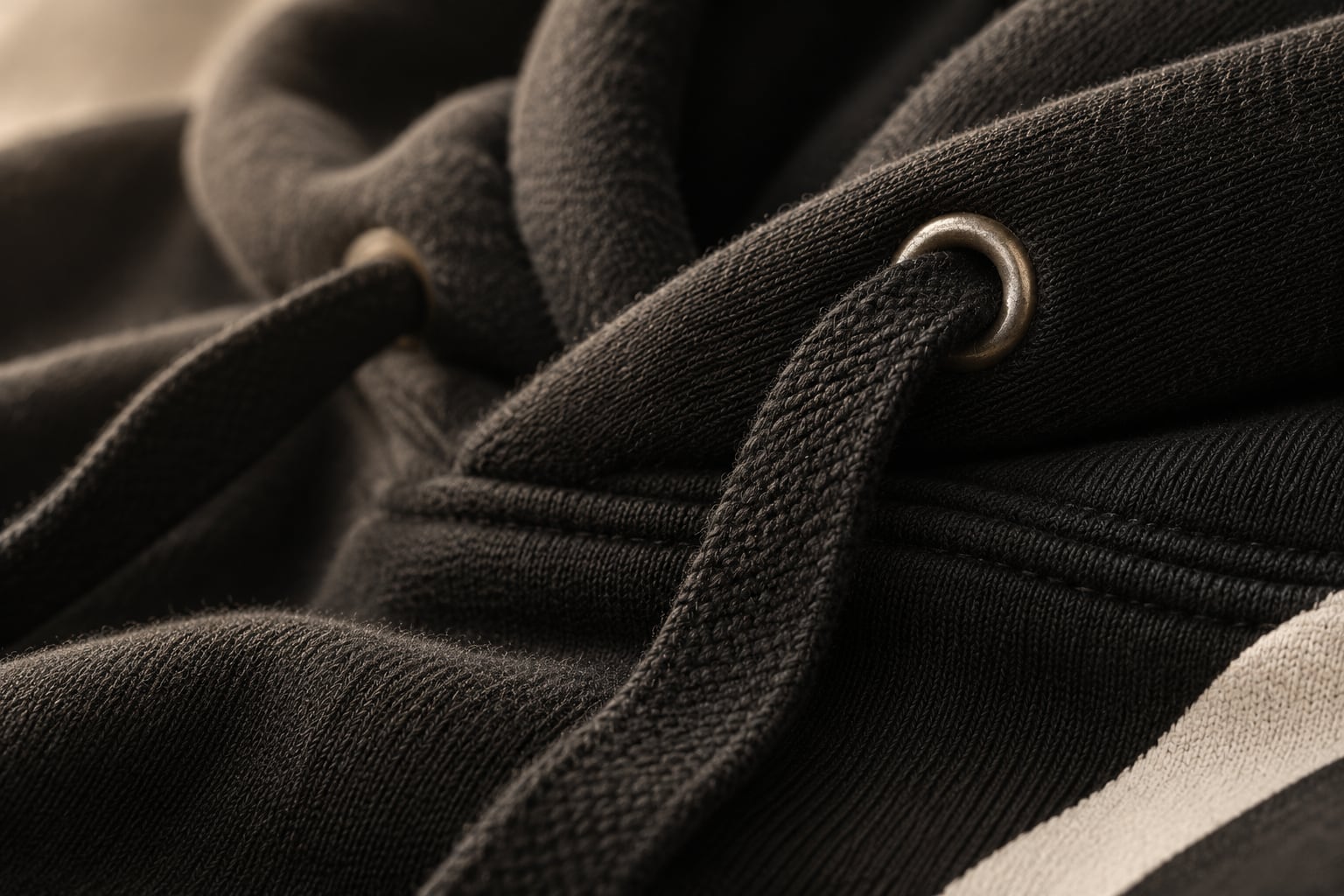
“Soft,” “premium,” and “high quality” are opinions. Fabric composition, weight, construction, measurements, and decoration method are facts you can compare. A legitimate seller should tell you what you are buying with enough precision to make a fit and value decision.
| Weak description | Useful description |
|---|---|
| Premium cotton | 100% combed cotton with listed fabric weight |
| Fits everyone | Regular, relaxed, cropped, or oversized fit with measurements |
| Long-lasting print | Print or embroidery method plus care instructions |
| Fast worldwide shipping | Production estimate, delivery estimate, tracking, and destination limits |
Does the size chart answer the right question?
A chart should identify its units and whether it measures the body or finished garment. Product types may use different blanks and fits, so one universal chart can be misleading. Compare a listed width and length with an item you own rather than assuming your usual size will transfer.
Use the anime T-shirt sizing guide for a measurement walkthrough.
Are production, shipping, and returns explained?
Read the policy before the promotional banner. Check when production begins, whether orders can be changed, what delivery estimate means, whether tracking is provided, who pays return shipping, what condition an item must be in, and how damaged or incorrect items are handled.
A longer timeline is not automatically suspicious. Made-to-order and international products can take longer than stocked domestic goods. The important question is whether the store explains the process consistently and follows the promise it made.
How should you investigate reviews?
Search the business name and domain with words such as “review,” “complaint,” “scam,” “shipping,” “quality,” and “sizing.” Read recent positive, neutral, and negative accounts. Look at how the store responds when something goes wrong.
Strong review evidence contains details: the product purchased, buyer measurements, selected size, delivery time, fabric, print, and resolution. Be cautious when many reviews use the same phrases, provide no product context, or appear within a short period.
The FTC recommends using several review sources and not relying on star ratings alone. It also prohibits several deceptive review practices, including buying reviews conditioned on positive sentiment and misrepresenting a company-controlled review site as independent.
Does the store explain whether merchandise is official or fan-made?
Official merchandise is produced or authorized by the rights holder. Independent fan-made merchandise comes from creators outside that program. Counterfeit goods falsely imitate or claim official status. A trustworthy seller should not blur these categories.
Look for the licensor when a store claims an item is officially licensed. When the product is fan-made, look for original presentation and a clear statement that it is independent. Read official merchandise versus independent fan-made apparel for the full distinction.
Is the checkout secure and the payment method sensible?
Check that the checkout uses HTTPS, but remember that encryption alone does not prove legitimacy. Avoid sellers that insist on gift cards, wire transfers, cryptocurrency, or other hard-to-reverse methods. Consider the protections provided by your chosen payment method and keep your receipt and confirmation messages.
Do the product photos and brand details agree?
Reverse-search suspicious photos when several unfamiliar stores appear to sell the exact same “exclusive” design. Check whether logos, product names, sizing, and policy language remain consistent across the site. Contradictory brand names, mismatched materials, or copied descriptions deserve investigation.
Mockups are common in print-on-demand retail and are not proof of fraud. The useful question is whether the store supplements them with precise garment information and sets an honest expectation about color, scale, and production.
Seven checks before ordering
- Verify the business identity and contact route.
- Read the fabric, fit, measurements, and decoration details.
- Review production, shipping, return, and damage policies.
- Check independent reviews across several sources.
- Confirm whether the merchandise is official, licensed, or fan-made.
- Use secure checkout and a payment method with suitable protections.
- Save the listing and start with a smaller order when uncertain.
For a broader comparison of seller types and warning signs, continue with where to buy anime clothes online safely.
Frequently asked questions
Is a large social following proof that a store is legitimate?
No. Followers and engagement can be purchased or manipulated. Evaluate product details, policies, independent reviews, and the checkout process too.
Are product mockups a scam warning?
Not by themselves. Many made-to-order businesses use mockups. Look for accurate garment specifications, consistent branding, clear fulfillment information, and honest image expectations.
Is a store legitimate if it has five-star reviews?
A rating alone is insufficient. Read detailed reviews across multiple sources and examine how recent reviews describe specific products and problem resolution.
What should I do if I still feel uncertain?
Ask a specific question, place a smaller order, or choose another seller. Do not let a countdown timer or temporary discount rush the decision.
Sources: The FTC explains how to research sellers, evaluate policies, pay safely, and keep records, and provides additional advice on evaluating online reviews.