Making of
How Made-to-Order Anime Apparel Works: Production, Shipping, and Split Deliveries
Sep 2, 2026 · 6 min read · Written by Otaku Bestie
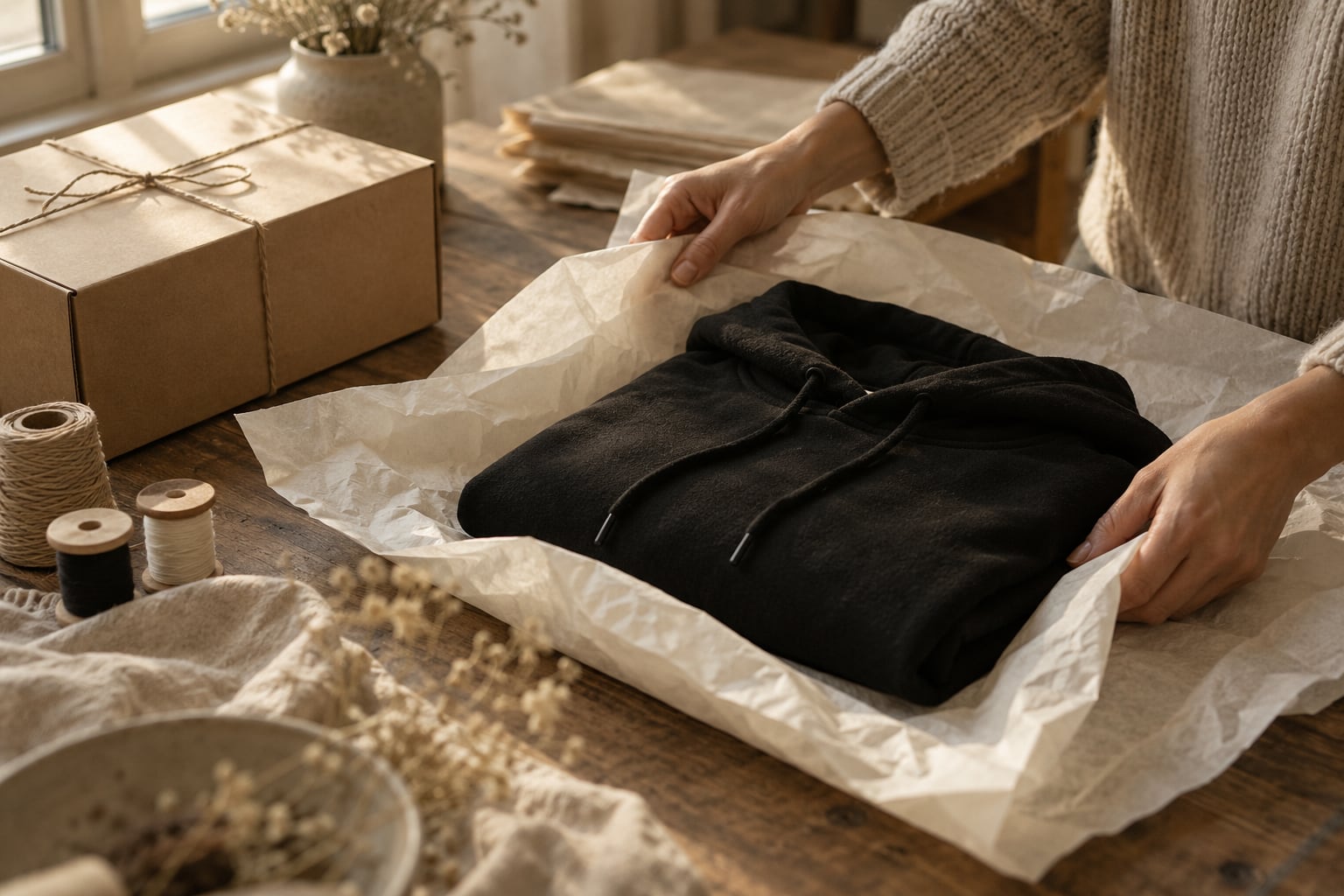
Quick answer: Made-to-order anime apparel is printed or embroidered after a customer checks out. The order first enters production, then passes a quality check, packaging, carrier pickup, and transit. Production time is separate from shipping time, and products may arrive in different packages when they require different facilities or packaging.
There is a particular kind of anticipation that starts after ordering a shirt built around a favorite series. You can already picture the first outfit, but the tracking page has not moved yet. With stocked merchandise, that pause can feel unusual. With made-to-order apparel, it is the moment the physical product begins.
Otaku Bestie uses an on-demand production model. That lets us keep more designs and color choices available without filling a warehouse with every possible size. It also means an order follows a different timeline from an item that was manufactured, packed, and shelved months earlier.
What does made-to-order apparel mean?
Made-to-order means production begins in response to a confirmed purchase. The blank garment may already exist, but the selected artwork is applied after the order enters fulfillment. This is different from a preorder, where customers usually wait for a planned production run, and from stocked retail, where the finished item is ready before checkout.
| Model | When the finished item is produced | What the customer should expect |
|---|---|---|
| Stocked apparel | Before the order | Packaging and carrier pickup can begin quickly if inventory is available |
| Made to order | After the order | Production happens before shipping |
| Preorder | After an announced sales window or production milestone | A future release or batch date |
What happens after you place an Otaku Bestie order?
- The order is confirmed. Shopify records the products, variants, address, and payment status.
- The product enters fulfillment. The selected design is matched with the garment, color, and size ordered.
- The garment is produced. The decoration method depends on the product. This is the stage that does not exist for a finished item already sitting on a shelf.
- The item is checked and packed. It is prepared for the carrier using packaging appropriate to the product.
- Tracking is created. A shipping notification is sent when a package is ready to enter the carrier network.
- The carrier delivers it. Transit begins after fulfillment, so the estimated delivery window includes more than travel time alone.
How long does made-to-order production take?
Production time varies with the product, decoration method, facility, order volume, and seasonal demand. Our fulfillment partner’s current guidance says most production techniques average two to five business days, but that estimate can change and does not include shipping. See Printful’s current fulfillment-time explanation for the distinction between fulfillment and transit.
The estimate shown with your order is more useful than treating one general number as a guarantee. Weekends, holidays, address issues, and carrier conditions can also affect the full timeline. Our FAQ explains the store’s current production and delivery expectations.
Why has tracking not updated yet?
Tracking normally begins after production and packaging. A label may also be created before the carrier performs its first physical scan, so a short gap between the shipping email and the first movement is normal. If the order remains outside its estimated window, review the tracking details and use the contact page with your order number.
Why did only part of my order arrive?
One checkout does not always mean one box. Different product types can require separate packaging or be produced at different facilities. Printful explains that some products ship separately to protect them, while others leave from different fulfillment centers. That can produce multiple tracking numbers and different delivery days for one order. Read Printful’s separate-shipment guidance.
Before reporting an item missing, compare the packing slip with the full order and check every tracking email. A package containing a shirt may arrive before a mug, hat, or other product that followed a different route.
Can a made-to-order order be changed or canceled?
Contact the store immediately if an address, color, or size is wrong. Once fulfillment has started, production may be too far along to stop or edit. That is why checking the product, variant, shipping address, and measurement chart before payment matters. The current refund policy controls return and replacement eligibility.
Is made-to-order the same as low quality?
No. Production model and product quality answer different questions. Made-to-order explains when an item is decorated; quality depends on the garment, artwork file, print method, production execution, and inspection. Evaluate materials, finished measurements, care instructions, product images, and store policies just as you would with stocked apparel.
If you are comparing unfamiliar stores, use our guide to checking whether an anime clothing store is legitimate. A trustworthy seller should explain fulfillment plainly instead of making every pause look like same-day warehouse shipping.
Made-to-order apparel FAQ
Is made-to-order the same as a preorder?
No. A made-to-order item enters production after your purchase. A preorder is usually tied to a future release, sales window, or planned batch.
Does production time include shipping?
No. Production or fulfillment happens before carrier transit. Add both stages when estimating the complete delivery window.
Will every item arrive together?
Not necessarily. Products can ship separately because of packaging requirements, production methods, or fulfillment locations.
What should I do if one package is missing?
Check all tracking numbers and the contents listed for each shipment. If every delivery window has passed and an item is still missing, contact Otaku Bestie with your order number.
Explore the designs in Otaku Favorites, and review the size chart on each product page before placing a made-to-order purchase.